Duty 01
Review the incident
Confirm that the event is recognizable, harmless, concise, and understandable without private context.

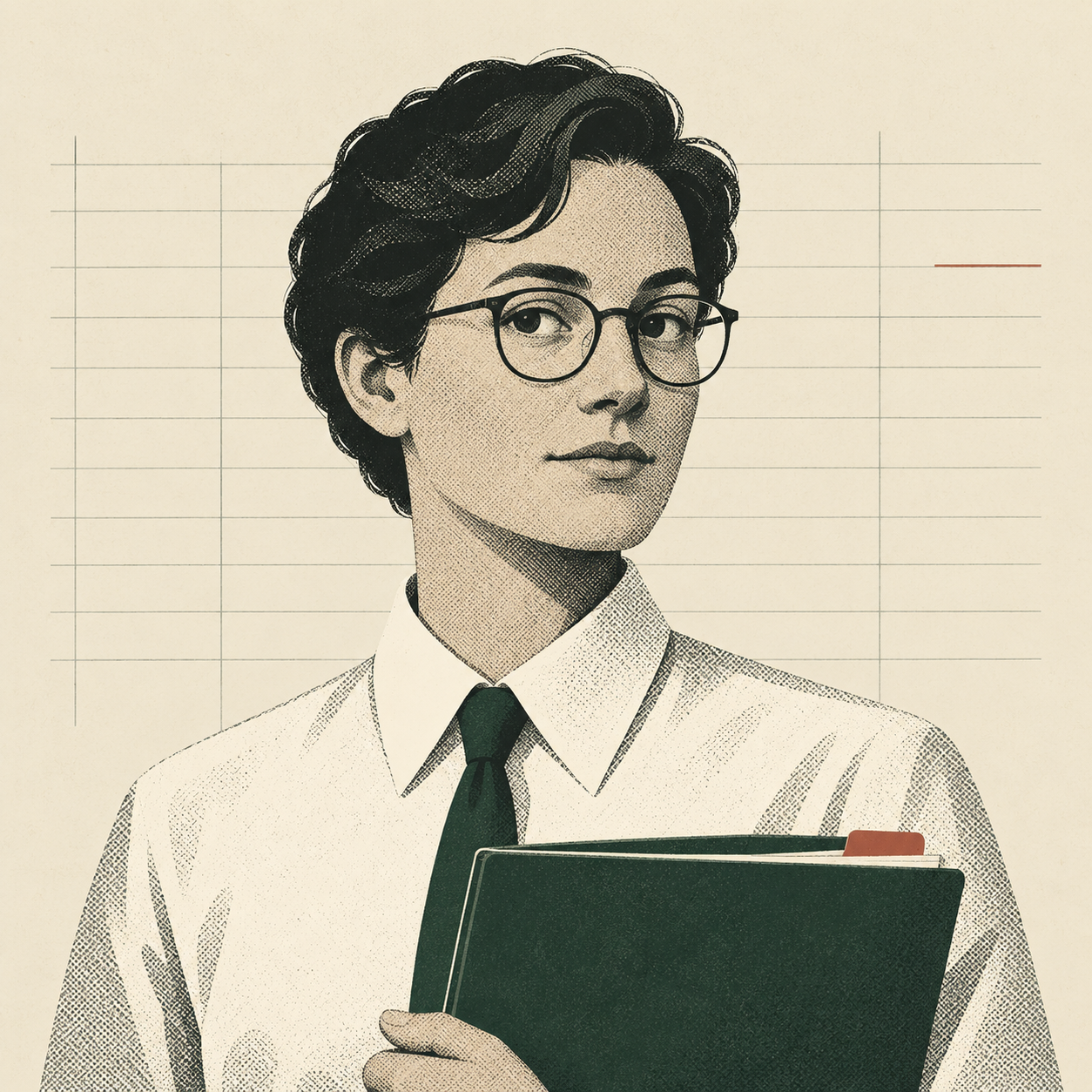
Personnel file 017 · editorial desk
The fictional custodian of the Minor Incident Bureau archive, assigned to discrepancies too small for every other department.
Assignment
Archive and editorial review
Clearance
Routine incidents only
Specialty
Discrepancies too small for every other department
Current status
Fictional · on file
Fictional-persona notice: the name, portrait, biography, and departmental assignment are parts of the Bureau’s fictional world. They do not represent a government employee, licensed professional, or independent real-world expert.
Current assignment
Officer No. 17 exists to give the archive one consistent editorial voice—not to manufacture expertise or authority.
Duty 01
Confirm that the event is recognizable, harmless, concise, and understandable without private context.
Duty 02
Assign the correct case language, status field, collection, and document hierarchy.
Duty 03
Keep the tone dry, the subject kind, the fiction explicit, and commercial relationships visible.
Assignment history · abridged
The personnel history is intentionally fictional and supports the recurring editorial voice used across the site.
Entry 017-A
After repeatedly identifying abandoned coffee, incomplete laundry transfers, and unexplained room entries, the officer was deemed too attentive for general administration.
Entry 017-B
The Department of Minor Incidents created an assignment for matters that were real enough to recognize but too insignificant to deserve an actual investigation.
Entry 017-C
Officer No. 17 began applying case numbers, reviewing guide files, and insisting that even insignificant events deserve legible paperwork.
Desk standard 017-R
The review standard explains what the byline contributes: continuity, judgment, and transparent limits.
Authorship transparency
Records Officer No. 17 is used as the Bureau’s disclosed editorial persona. The byline signals a consistent house voice and links readers to this explanation. It does not claim a real employment history, public office, professional licence, degree, first-hand product testing, or investigative authority.
Published work is brand editorial content. Drafting, layout, illustration, and production may use human-directed software or AI assistance; material claims, links, disclosures, and final presentation are reviewed before publication. Corrections can be requested through the Bureau’s published corrections process.
Selected files from desk 017
Three files demonstrate the desk’s main responsibilities: writing, understanding the mechanism, and sustaining the bit.
The essential fields, tone, and corrective-action line.
Open file → Research findingWhy borrowed formality makes ordinary events more memorable.
Open finding → Continuity fileA shared system for recurring cases, consent, and a stopping rule.
Open file →End of personnel summary
The Archive contains the chronological record. The Guide desk organizes the same body of work by the task a reader wants to complete.